 Call Today: 914-737-6360
  Email: hudsoneyes@gmail.com

Do you know Glaucoma is one the prominent cause of visual impairment and blindness in the United States? This problem can affect people of every walk, many of them are those who haven’t experience any symptom of this problem and even not aware of this type of disease. In fact, Glaucoma refers to the group of eye diseases which damage optic nerve as a result of enhances stress within eyes. Besides, it can cause several injuries, eye infection, inflammatory eye condition, blocked blood vessels.
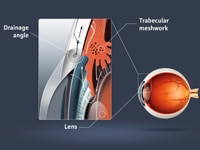 Basically, there are two types of Glaucoma, angle-closure, and open angle. In angle closure, sudden pressure built up between poor drainage and eyes because of the narrow-angle between cornea and iris. Besides, in open-angle Glaucoma, the draining of fluid in eyes in not regular through the trabecular meshwork, this makes it most common type of glaucoma which is generally found in people.
Several patients don’t experience any early symptom of Glaucoma in an initial stage like vision loss and pain which enhance their trouble as they are not aware of the fact that they are suffering from the disease. However later with the time, when Glaucoma progresses they start experienced lots of problems like loss of side vision or peripheral, along with a serious headache, blurred vision, eye pain appearance of halos around lights.
Diagnosing Glaucoma
While some patients may experience symptoms from glaucoma as the disease progresses, others do not learn they have the condition until they undergo a routine eye exam. There are several different exams performed to diagnose glaucoma, including a visual field and visual acuity test. These tests measure peripheral vision and how well patients can see at various distances. Other tests may also be performed, such as tonometry to measure the pressure inside the eye and pachymetry to measure the thickness of the cornea.
Laser Glaucoma Surgery & Treatment
Glaucoma Laser Treatment
Once glaucoma has been diagnosed, treatment should begin as soon as possible to help minimize the risk of permanent vision loss. There is no cure for glaucoma, so treatment focuses on relieving symptoms and preventing further damage from occurring. Most cases of glaucoma can be treated with eye drops, Laser surgery for eye pressure or microsurgery. The best treatment for your individual case depends on the type and severity of the disease, and can be discussed with your doctor.
Eye drops are used to reduce fluid production in the front of the eye or to help drain excess fluid, but can lead to redness, stinging, irritation or blurry vision. Patients should tell their doctor about any allergies they have to minimize the risk of side effects.
Glaucoma laser surgery or treatment aims to increase the outflow of fluid from the eye or eliminate fluid blockages through laser trabeculoplasty, iridotomy or cyclophotocoagulation
Selective Laser Trabeculoplasty (SLT) is the most common laser treatment for glaucoma , and is most effective for patients unable to keep up with a daily eye drop treatment because of its cost, inconvenience or side effects. SLT controls glaucoma symptoms for up to 5 years with no need for additional medication, and relieves symptoms by promoting the body’s natural healing response.
Laser Treatment for Glaucoma
Some cases of glaucoma can be treated with medications. For others, Laser Glaucoma Surgery or traditional surgery is required to lower eye pressure. Common surgeries include:
- Laser Peripheral Iridotomy (LPI) – For patients with narrow-angle glaucoma. A small hole is made in the iris to increase the angle between the iris and cornea and encourage fluid drainage.
- Argon Laser Trabeculoplasty (ALT) and Selective Laser Trabeculoplasty (SLT) – For patients with primary open angle glaucoma (POAG). The trabecular passages are opened to increase fluid drainage. ALT is effective in about 75% of patients, and SLT may be repeated.
- Nd: YAG Laser Cyclophotocoagulation (YAG CP) – For patients with severe glaucoma damage who have not been helped with other surgeries. The ciliary body that produces intraocular fluid is destroyed.
- Filtering Microsurgery (Trabeculectomy) – For patients who have not been helped with laser eye surgery or medications. A new drainage passage is created by cutting a small hole in the sclera (the white part of the eye) and creating a collection pouch between the sclera and conjunctiva (the outer covering of the eye).
- Tube Shunt Surgery – May be recommended for patients with neovascular glaucoma, failed trabeculectomy, or susceptibility to developing scar tissue. A thin, flexible tube (a shunt) with a silicone pouch is inserted in the eye to facilitate drainage.
Dr. Marcelin will determine which type of treatment is best for you after a thorough evaluation of your individual condition.
FAQ’S
Where can I be treated for glaucoma in Westchester?
Hudson Ophthalmology in Cortlandt Manor, NY provides glaucoma care led by Dr. Kerline Marcelin, who is fellowship trained in glaucoma. This is her subspecialty rather than one condition among many. Treatment includes medical management, SLT laser, Durysta and iDose TR implants, and minimally invasive glaucoma surgery, with OCT imaging and visual field testing for monitoring.
Can glaucoma and cataract surgery be done at the same time?
Often yes. A minimally invasive glaucoma procedure can be performed during cataract surgery, addressing both conditions in one surgery and one recovery, and frequently reducing a patient’s dependence on daily drops. Because Dr. Marcelin is fellowship trained in glaucoma, this is a routine part of her surgical practice rather than an occasional add on.
Is there a glaucoma specialist in Westchester County?
Dr. Kerline Marcelin at Hudson Ophthalmology in Cortlandt Manor, NY is fellowship trained in glaucoma. She manages the full range of glaucoma care, from suspects requiring monitoring through advanced disease, and performs combined cataract and MIGS procedures for patients who need both.
Is there a way to treat glaucoma without eye drops?
For many patients, yes. Hudson Ophthalmology offers SLT laser, the Durysta implant, the longer lasting iDose TR implant which can provide pressure control for up to about three years, and Minimally Invasive Glaucoma (MIGS ). Patients who have been on daily drops for years are frequently candidates for an option they were never told about.
What is SLT and how does it treat glaucoma?
Selective laser trabeculoplasty is a brief, painless in office laser that stimulates the eye’s natural drainage tissue to improve fluid outflow and lower pressure. There are no incisions and no recovery time, and it can be repeated. Hudson Ophthalmology often uses SLT as a first treatment rather than a last resort, because it removes the daily burden of drops.
Where is laser trabeculoplasty performed in Westchester, NY?
Hudson Ophthalmology performs laser trabeculoplasty for glaucoma patients throughout Westchester, NY. This in-office procedure helps improve fluid drainage in the eye, lowering intraocular pressure and reducing reliance on glaucoma medications for many patients; for select patients, minimally invasive glaucoma surgery (MIGS) may offer an additional option.
What is the typical cost of glaucoma laser surgery?
The cost of glaucoma laser surgery varies based on insurance coverage and treatment specifics. Hudson Ophthalmology reviews individual insurance benefits during consultation and provides patients with clear cost estimates before scheduling any laser procedure.