Call Today: 914-737-6360
  Email: hudsoneyes@gmail.com
How Do I Know if I have Cataracts?
Cataract is the most common disease for people 60 and above. By the age of 80, each senior have cataracts or have undergone cataract surgery. Although you may be able to live with the symptoms of cataracts for several years, surgery is the ultimate treatment. Cataract surgery, interestingly, is one of the most routine surgeries performed, and it has virtually become a normal part of growing up into your senior years. Those experiencing cataract symptoms or caring for a loved one who has cataracts may be unsure of what to anticipate and how to care for it. So, here is the information you need to know.
What to Look Out For
Even though you might not notice the changes affecting your vision right away. Cataracts start with subtle changes in your vision and very gradually increase. These cataract symptoms affect your increase lighting needs , your driving , and frequency of changing your eyeglass prescriptions.
Here are the very early warning symptoms. If you or your senior loved one is:
-requesting brighter lighting than usual when she reads.
-noticing difficulty driving at night and with car headlights
– straining while reading words on the television
-needing more frequent eye glasses changes
– noticing dull vision or lose of color vividness.
Those are the most common early symptoms of cataract. Over age 60 you should be receiving annual medical eye examinations anyhow , however when these symptoms occur it is definitely time to get your eyes checked by an ophthalmologist.
Here are some other crucial cataract telltale signs to watch for:
- Obscured or blurred vision
- Double vision in one eye or seeing ghosting images
- Whitening or yellowing of colors
- Increased difficulties seeing at nighttime
Tips for treating early Cataracts:
- For reading, utilize brighter lamps, a magnifying glass
- Discontinue driving at night and in bad weather
- Cut glare symptoms with special tinted glasses or use retractable window shades
- Increase your antioxidant intake with healthier foods
- Discontinue smoking , if you do
However as time goes by the cataract continues to grow. As you age the cataract age . The cataracts very stop growing . The growth pattern is very individualized. Some grow quickly and others grow slowly. Everyone’s cataracts’ “ripen” at different rates. However, as the symptoms continue to grow or start to interfering with your functioning, it is then time to ultimately improve your vision with cataract surgery.
What You Should Do
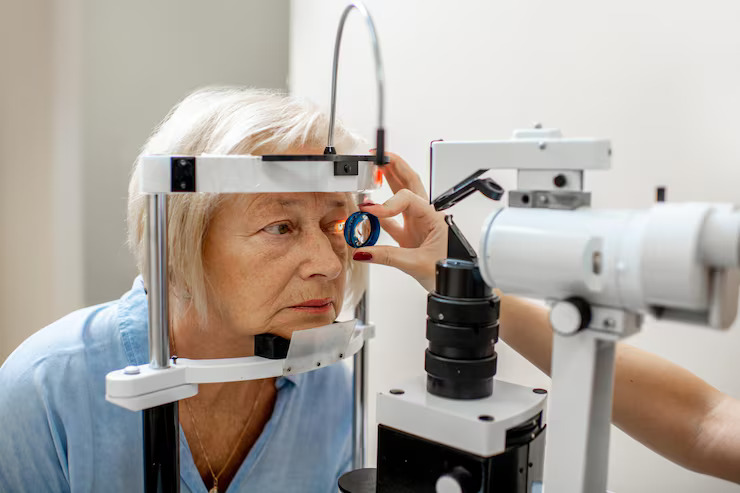
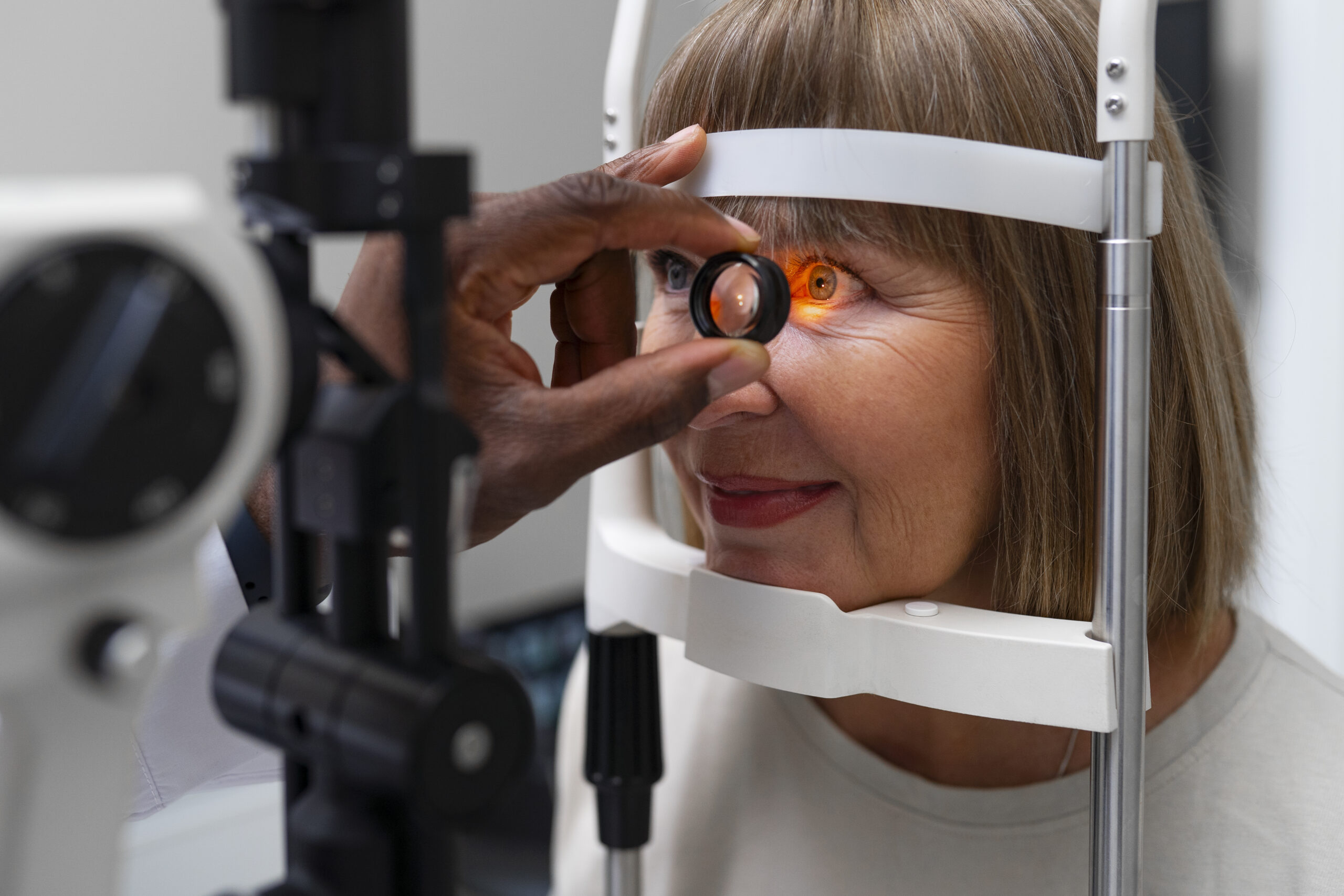
When you observe you or your loved one facing these cataract symptoms it is crucial that they visit an eye specialist for a comprehensive eye exam. Professionals will be able to assist you in caring for your cataracts.
What Does Cataract Surgery Involve?
The most common treatment for cataract surgery is Phacoemulsification Cataract Surgery. The clouded lens will be broken into bits using a ultrasonic hand piece to shatter and break the lens apart and another hand piece to evacuate or “suck out”. After the cloudy lens is removed the lens is then replaced with a clear brand new artificial lens. The more advanced method that many are opting for is Laser Cataract Surgery . Here the lens is cut with clean light energy. Generating less heat and therefore less disruptive than the phacoemulsification method.
After-Operative Care
After care of cataract surgery is relatively simple . During this period( a few weeks after )
1)activity is modified to limit strenuous activity
2) eye drop medications (Antibiotic, anti-inflammatory) are used to heal and clear your vision . Following surgery, you will most likely require eye drops for a few weeks. You should be recovered within 2-4weeks after your surgery depending on
HUDSON OPHTHALMOLOGY offers you the finest options for all of your vision-related concerns. Dr Kerline Marcelin and staff offers you the advance state of the art treatments and options for your cataracts. Options… ranging from basic treatments and surgery to the most technologically advanced choice. The treatments can range from lens removal and basic lens placement surgery to technologically advanced options, such as custom premium high visual resolution Lens implants, advanced technology FemtoSecond Laser Cataract Surgery and “No Stitch” Cataract Surgery. Dr. Kerline Marcelin and her staff at Hudson Ophthalmology in Yorktown Heights, Westchester New York, will go above and beyond to guarantee the very best seamless and successful Cataract Surgery experience.