Call Today: 914-737-6360
 Email: hudsoneyes@gmail.com


Understanding Minor Eye Surgery and Common Eye Issues
By Dr. Kerline Marcelin, MD
When patients hear the word surgery, even when preceded by the word minor, it naturally causes a bit of anxiety. Eyes are remarkably delicate, and the thought of any procedure near them can make anyone feel hesitant.
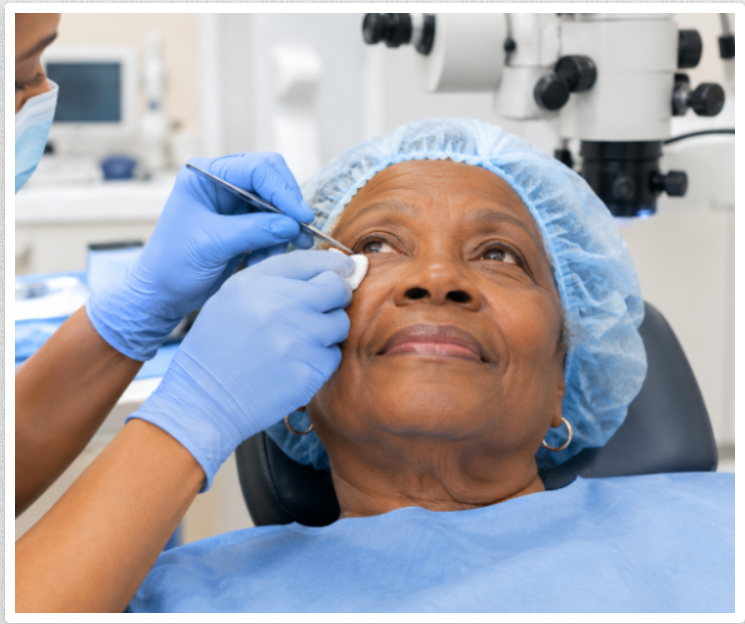
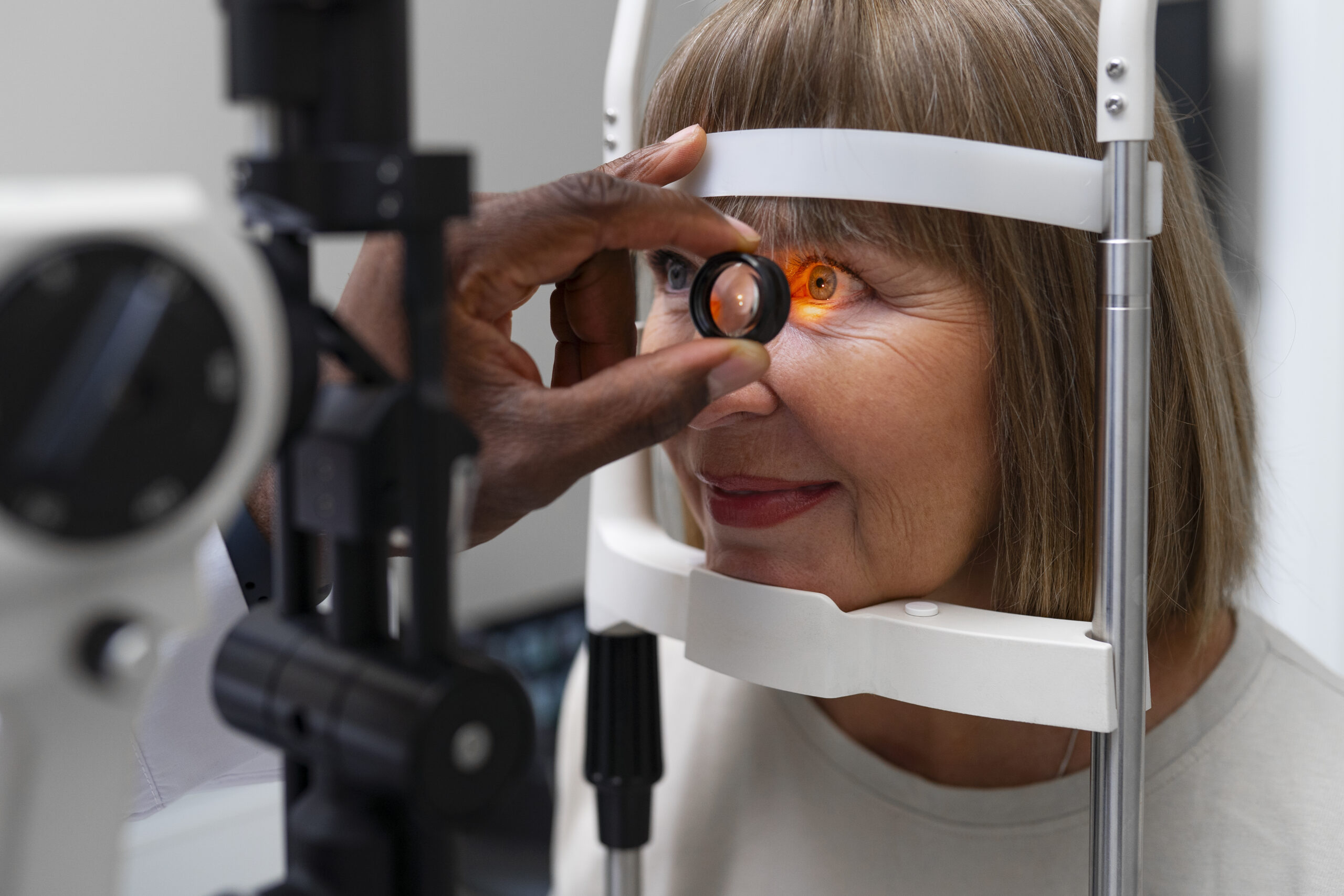
In ophthalmology, minor eye surgery refers to a broad group of quick, routine, and highly effective procedures that we perform right inside our Cortlandt Manor practice suite at Hudson Ophthalmology and Hudson Eyes (hudsoneyes.com). These treatments do not require a trip to a hospital operating room, general anesthesia, or a lengthy recovery period. Instead, they offer a comfortable, efficient way to resolve uncomfortable, unsightly, or vision impairing conditions affecting the eyelids and the outer surface of the eye.
Whether you are dealing with a persistent eyelid bump, an irritating skin tag, or a growth on the white of your eye, understanding what these gentle procedures entail can help put your mind at ease.
What Conditions Do We Treat with Minor Surgery?
The tissues surrounding your eyes, including the eyelids, oil glands, and conjunctiva (the clear membrane over the white of the eye), are exposed to daily wear, environmental irritants, and natural changes over time. When issues arise in these areas, minor office based procedures are often the best solution.
Here are a few of the most common conditions we treat at Hudson Ophthalmology:
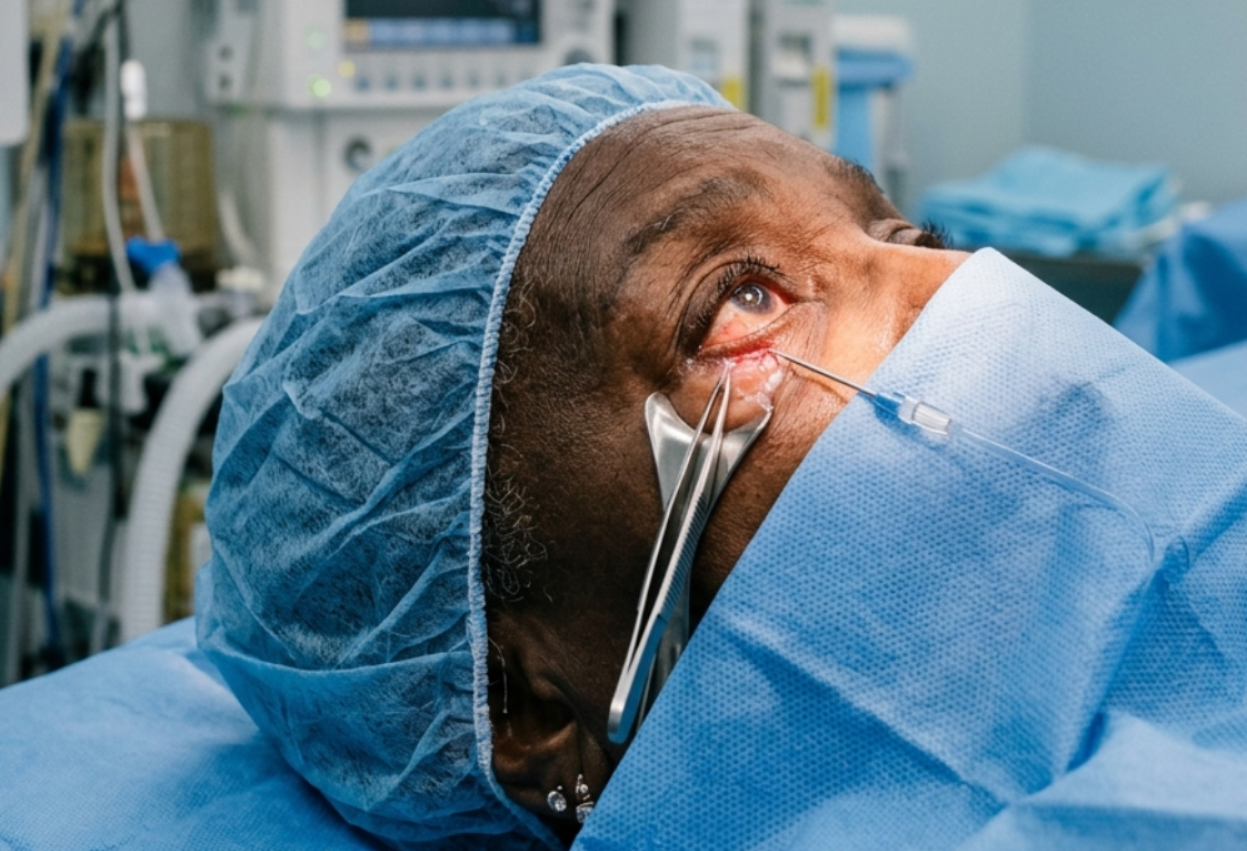
- Chalazia and Styes (Eyelid Bumps): A chalazion develops when one of the tiny meibomian oil glands along the edge of the eyelid becomes blocked and inflamed. While warm compresses and medical therapies often resolve early styes, some chalazia harden into stubborn nodules that linger for weeks or months. A brief in office excision or drainage procedure removes the trapped material, clearing the bump and restoring the natural contour of your lid.
- Benign Eyelid Lesions, Papillomas, and Skin Tags: It is very common to develop small benign non cancerous growths on the delicate skin of the eyelids. These can range from small skin tags to papillomas or cysts. Even when tiny, they can catch on clothing, rub against contact lenses, or cause cosmetic concern. Using precise surgical techniques under local numbing, these growths can be painlessly removed with minimal to no scarring.
- Pterygium and Pinguecula Removal: A pinguecula is a yellowish, raised growth on the conjunctiva, often caused by exposure to sun, wind, or dust. If it grows onto the cornea (the clear front window of the eye), it becomes a pterygium. While mild cases can be managed with lubricating drops, a growing pterygium can cause chronic redness, foreign body irritation, or distort your vision. Removing the tissue surgically restores comfort and protects your clear window of sight.
What to Expect During an In Office Procedure
Walking patients through every single step beforehand is the best way to eliminate fear. Here is what the process looks like when you visit Hudson Eyes for a minor procedure:
- Comfort First (Local Anesthesia): Before anything begins, targeted local anesthetic drops or a tiny injection completely numbs the area. You remain awake and comfortable, but you will not feel pain during the procedure.
- Quick Execution: Most minor surgeries take anywhere from 10 to 20 minutes. We use specialized micro instruments designed specifically for the fine structures of the eye and surrounding tissues.
- Immediate Return Home: Because heavy sedation is unnecessary, you can relax in our care and head home shortly after the procedure is complete.
Recovery and Aftercare: What Comes Next?
Recovery from minor eye surgery is typically smooth, and following proper post procedure care ensures optimal healing.
After your procedure, you may be fitted with a temporary eye patch or given specific ointment to protect the area. It is normal to experience mild swelling or slight scratching for a day or two. Cold compresses and over the counter pain relievers usually keep any discomfort well under control.
We always provide clear, tailored instructions on how to clean the area, when to apply prescribed antibiotic or anti inflammatory drops, and how long to avoid heavy lifting, swimming, or eye makeup. Most patients return to their normal daily routines within 24 to 48 hours.
Dedicated Care, Close to Home
You do not need to live with chronic eyelid irritation, painful bumps, or distracting growths on your eyes. Minor eye procedures allow us to solve these frustrating issues quickly, safely, and right in our local practice.
If you have noticed a new bump on your lid, an irritating growth, or want an expert evaluation, our team at Hudson Ophthalmology is here to guide you.
To schedule a consultation or learn more about our in office minor eye surgery services, contact Hudson Ophthalmology in Cortlandt Manor at 914 737 6360 or visit hudsoneyes.com.
Frequently Asked Questions
How long does an in office minor eye procedure take?
Most minor in office eye procedures take between 10 and 20 minutes to perform under local anesthesia.
Do in office minor eye surgeries require general anesthesia?
No. Minor eye surgeries are performed using local numbing drops or micro injections, meaning you stay completely comfortable without the risks or downtime of general sedation.
When can I return to work after an eyelid bump or growth removal?
Most patients resume light daily activities and return to work within 24 to 48 hours following an in office procedure.