Call Today: 914-737-6360
  Email: hudsoneyes@gmail.com
Glaucoma Care in Westchester: Why I Recommend Lasers and Combination Surgery Over Daily Drops
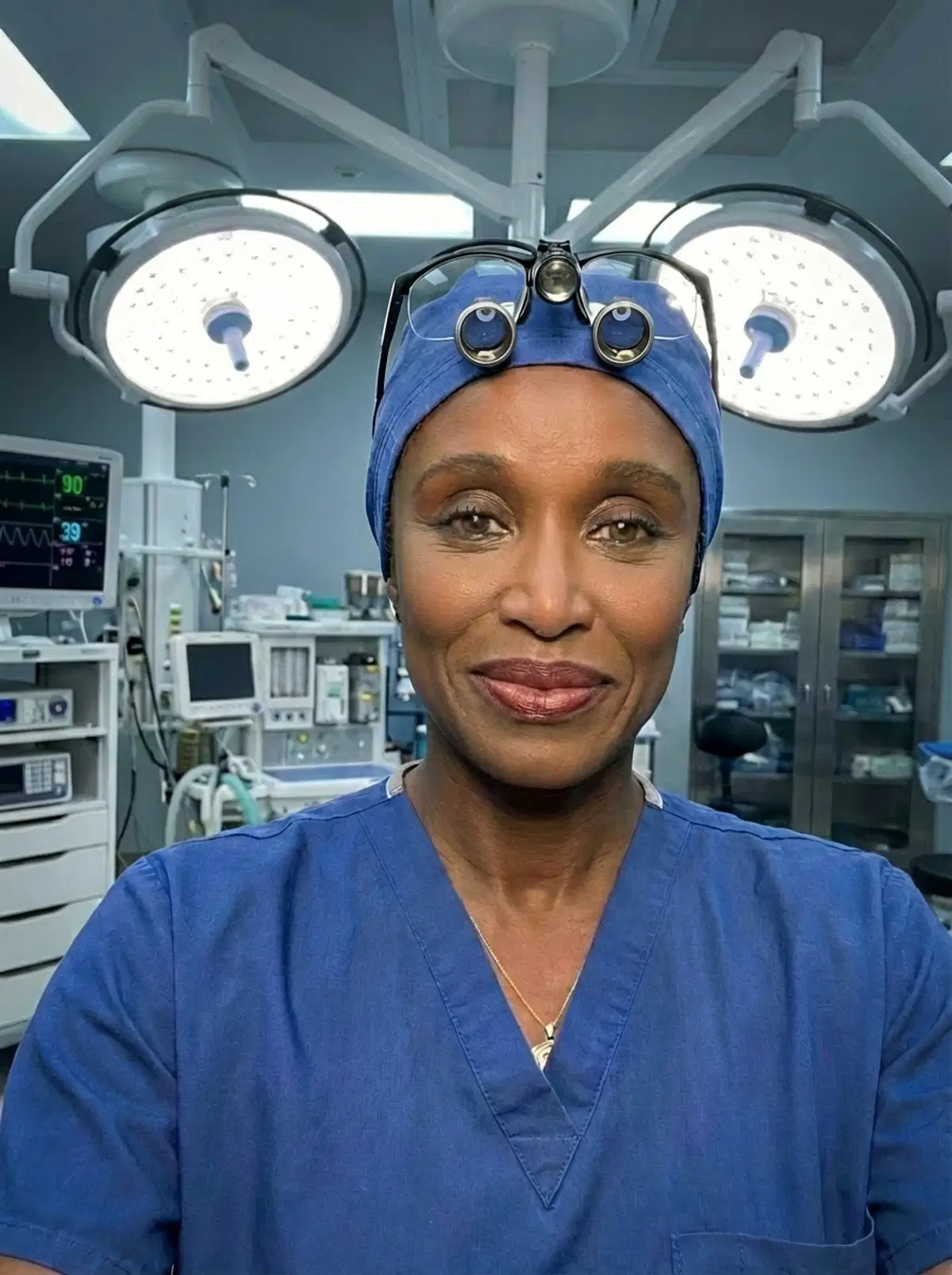
By Kerline Marcelin, M.D., Hudson Ophthalmology, Cortlandt Manor, NY
When patients sit down in my office after a glaucoma diagnosis, their first question is almost always about eye drops. Most people assume they are facing a lifetime of putting drops into their eyes once or twice a day, every single day.
While drops were the mainstay for decades, the reality in my clinic is that they often create as many problems as they solve. Between skipped doses, stinging, bloodshot eyes, and the sheer frustration of managing tiny bottles, reliance on daily drops often falls short. In my practice at Hudson Ophthalmology, my priority is giving patients treatments that actually fit their lives. Today, that means leaning into precise in office laser treatments, advanced lens options, and dual purpose surgical procedures.
The Real Problem: Fluid Pressure and the Optic Nerve
Glaucoma boils down to a problem with fluid movement. Your eye constantly produces a clear fluid called aqueous humor. If the drainage channels in the eye get clogged or slow down, pressure builds up inside the eye. Over time, that extra pressure damages the optic nerve fibers at the back of the eye, quietly cutting away at your side vision without any early pain or warning signs.
Because you cannot feel high eye pressure, routine exams are critical. This is especially true if you live with underlying health issues like diabetes or autoimmune conditions, which can directly affect the delicate blood vessels in your eyes.
A Better Alternative: Moving Toward Dropless Care
If you deal with chronic dry eye, arthritis in your hands, or simply a busy lifestyle, keeping up with a daily drop schedule is tough. Fortunately, we now have excellent drop free glaucoma treatment options that take the burden off your shoulders.
Selective Laser Trabeculoplasty (SLT)
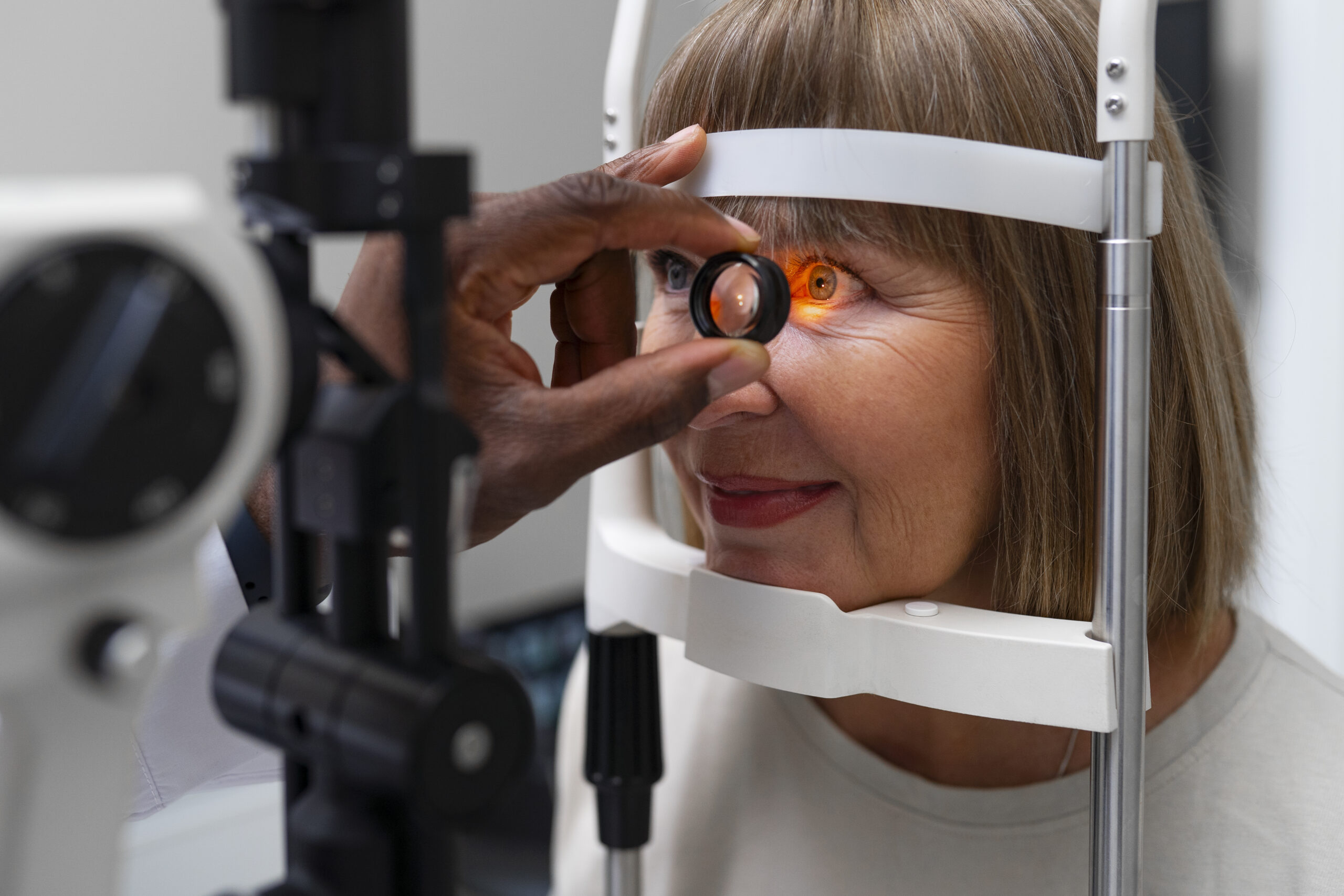
SLT is a simple, quick laser treatment we perform right in our office. The laser uses low energy light to stimulate your eye’s natural drainage tissue, helping fluid flow more freely again. It takes just a few minutes, involves minimal downtime, and can significantly lower your eye pressure so you can cut back on, or completely stop using, daily drops.
This is no longer just a personal preference. The landmark LiGHT trial (Laser in Glaucoma and Ocular Hypertension) compared laser first treatment against drop first treatment in newly diagnosed patients, and the six year results published in the journal Ophthalmology were striking. Roughly seven out of ten eyes treated with laser first were still at or below their target pressure without any drops or surgery at six years. Those patients also had less disease progression than the drop first group, needed fewer glaucoma operations, and even needed fewer cataract surgeries. A more recent analysis of the same trial found that the laser first group lost visual field more slowly over time. On the strength of this evidence, national guidelines in the United Kingdom now recommend laser as a first line treatment, and both the American Academy of Ophthalmology and the European Glaucoma Society list SLT as an appropriate initial therapy alongside medication. My reading of the data is simple: for most newly diagnosed patients, laser deserves to be on the table from day one, not saved as a last resort.
When I explain the options, here is why so many of my patients choose laser:
• Nothing to remember. There is no bottle, no schedule, and no wondering whether the drop actually landed in your eye. Compliance stops being something you have to work at.
• It is cost effective. A treatment that lasts for years replaces copays and refills that never stop. The LiGHT researchers reached the same conclusion on cost when they studied it formally.
• Fewer chemicals on the surface of your eye. Glaucoma drops carry preservatives and other inactive ingredients along with the medication, and over years those can leave the eye red, dry, and irritated. Laser leaves nothing behind on the ocular surface.
• No special trips to the pharmacy. No waiting on refills, no back orders, no calls about prior authorization. Your treatment happens here in the office with your doctor.
• It works with your body, not against it. Rather than adding a chemical to force pressure down, the laser stimulates your eye’s own drainage tissue to function more efficiently, which is exactly what the eye is designed to do.
• It can be repeated. If the effect wears down over time, we can usually treat again, and it does not close the door on any future option.
Sustained Release Implants
For some patients, we can place a tiny, biodegradable implant inside the front of the eye during a brief visit. The implant slowly releases medication on its own over several months, keeping your pressure stable without you ever having to remember a bottle.
The one we use most often in our practice is Durysta, a bimatoprost implant. It belongs to the same prostaglandin family as the pressure lowering drops most glaucoma patients already know: latanoprost, bimatoprost, and travoprost. In other words, it delivers the same kind of medication you would otherwise be putting in your eye every night, except it works continuously from inside the eye. For patients who cannot tolerate drops, who struggle to get a drop in accurately, or who simply want a break from the routine, it is an excellent substitute. We will talk through whether you are a good candidate and what to expect from the duration of the effect.
Combining Cataract Surgery and Glaucoma Relief
As we get older, many of my glaucoma patients also start developing cataracts. Instead of treating these as two separate issues, we can often address both at the same time.
Femtosecond Laser Cataract Surgery
When we use a femtosecond laser for cataract surgery, we gain an incredible level of accuracy. The laser makes micro incisions and softens the cloudy cataract before we gently remove it. Because the laser does the heavy lifting, we use far less ultrasonic energy inside the eye. That means less inflammation, faster recovery, and better protection for delicate tissues.
The energy difference is worth understanding. A femtosecond laser is light energy. It is delivered exactly where it is aimed, in a pattern planned in advance, and it does no collateral damage on the way there. Ultrasound energy behaves differently. It reverberates inside the eye and disperses outward from the cataract to nearby structures such as the iris and the cornea, and that scattered energy is what drives much of the inflammation and swelling patients feel afterward. Using the laser to do more of the work means less of that energy ever enters the eye.
The laser is also a natural partner to premium lens implants. Toric and multifocal lenses only deliver their full benefit when they are positioned precisely and stay exactly where they were planned to sit, and the laser gives us a perfectly sized, perfectly centered, reproducible opening to work with. The same technology lets us place precise corneal incisions to treat astigmatism, which is why it comes up so often in astigmatism correction conversations.
There is one drawback worth being upfront about. Medicare and commercial insurance carriers treat the laser and premium lens portion of the procedure as elective, so it is not covered, and there has to be a legitimate clinical reason to use it, such as measurable astigmatism. Not everyone qualifies, so ask us whether you are a candidate for laser assisted cataract surgery before you assume it is or is not for you. What I will tell you from experience is that once appropriate candidates understand the accuracy and the healing time, well over half of them elect the laser anyway, despite the out of pocket cost.
There is also something quietly satisfying about this for me. In twenty six years of practice, patients have been asking me whether their surgery could be done with a laser. Twenty six years ago that was not even a concept. Today it is here, and for the right patient it is a wish come true.
A Smaller Incision, and Usually No Stitches
My cataract surgery is stitchless in the overwhelming majority of cases. I work through a 2.2 mm incision, which is among the smallest used in cataract surgery today, rather than the roughly 3.0 mm incision that is still common. At the end of the case I hydrate the edges of the wound with sterile saline so that the tissue swells slightly and seals itself immediately, and over the following three to four weeks it solidifies fully closed. A smaller, self sealing wound means less induced astigmatism, a lower infection risk, and a more comfortable recovery. Stitches are reserved for the uncommon situation that truly calls for one.
Specialty Lenses Tailored to Your Sight
Once the cataract is out, we replace it with an advanced clear lens designed for your eyes. Not every eye is suited to every lens, so we measure carefully and discuss candidacy before we choose:
• Toric lens implants: If you have astigmatism, a toric lens implant corrects that uneven corneal curve so light focuses sharply where it should.
• Multifocal lens implants: If you want to rely less on reading glasses or bifocals, a multifocal lens implant provides clear vision across multiple distances, from reading a book to driving down the highway.
Two Problems, One Recovery
Simply removing a bulky cataract helps open up the natural drainage space in your eye, which lowers internal pressure on its own. During the same procedure, we can often go a step further with minimally invasive glaucoma surgery, known as MIGS. This is a family of procedures, and what they have in common is that they add only a couple of extra steps and a few extra minutes while I am already inside the eye. Depending on your anatomy, that may mean placing a microscopic stent into the natural drain or opening up the drainage channels directly. The result is a double win: clearer vision and better pressure control with just one recovery period.
I want to be clear about where I draw the line, because it matters. When a patient needs a more involved glaucoma operation, my strong preference is to keep that surgery separate from cataract surgery rather than stacking them together. The bigger glaucoma procedures create significantly more inflammation and slow down the eye’s recovery from the cataract portion, which can leave a patient waiting much longer for the clear vision they came in for. Staging them gives each procedure its own clean, predictable healing period. MIGS is the exception that proves the rule: it is gentle enough and quick enough that it makes sense to optimize your glaucoma while I am already there.
Protecting Your Total Eye Health
Glaucoma is just one piece of the puzzle. During your visits, we also keep a close eye on the back of the eye for signs of macular degeneration, perform thorough diabetic eye exam checks, and manage surface issues like dry eye. Everything in the eye is connected, and catching changes early makes all the difference.
My goal as your eye doctor is to protect your sight for the long haul while making your treatment as straightforward as possible. Modern laser options and advanced surgical techniques give us better tools than ever to keep your eyes healthy, clear, and pressure controlled.
Frequently Asked Questions
Is SLT laser treatment for glaucoma painful?
No. We numb the eye with a drop, place a lens on the surface, and the treatment itself takes only a few minutes. Most patients describe seeing small flashes of light and nothing more, and they drive themselves home or go back to work the same day.
Can I stop my glaucoma eye drops after laser treatment?
Many patients can. In the LiGHT trial, close to seven out of ten eyes treated with laser first were still controlled without drops six years later. We check your pressure after the treatment and reduce medication only when the numbers support it.
Does Medicare cover laser cataract surgery?
Medicare covers the cataract surgery itself and a standard lens implant. The femtosecond laser and premium lens upgrades are considered elective refractive care, so that portion is an out of pocket cost and requires an appropriate clinical indication, such as astigmatism. We review the exact numbers with you before you decide.
How long is recovery after cataract surgery?
Most patients notice clearer vision within a day or two. Because we use a 2.2 mm self sealing incision and no stitches in most cases, the eye is comfortable quickly, and the wound continues to strengthen over the following three to four weeks.
Can glaucoma surgery and cataract surgery be done at the same time?
Minimally invasive glaucoma surgery can, and often should, be combined with cataract surgery, since it adds only a few minutes. More involved glaucoma operations are usually better staged separately so that the cataract recovery is not slowed down.
Schedule a Glaucoma Evaluation in Cortlandt Manor
Hudson Ophthalmology serves patients throughout Westchester County and the Hudson Valley, including Cortlandt Manor, Peekskill, Yorktown Heights, Ossining, Somers, Mahopac, and Putnam County. If you have been diagnosed with glaucoma, are tired of daily eye drops, or want to know whether you are a candidate for SLT laser treatment, a Durysta implant, MIGS, or laser cataract surgery with a premium lens, call our Cortlandt Manor office at (914) 737 6360 to schedule a comprehensive eye exam.