Call Today: 914-737-6360
 Email: hudsoneyes@gmail.com

Premium Cataract Surgery in Westchester: Choosing the Right Lens Implant
There comes a point when everyday activities start feeling unnecessarily difficult. Reading the evening news, driving at night when oncoming headlights cause blinding glare, or simply recognizing a neighbor’s smile across the street shouldn’t feel like a challenge.
When cataracts develop, the eye’s natural, clear lens gradually turns cloudy much like looking through a foggy window. For decades, traditional cataract surgery focused solely on removing that cloudy lens and replacing it with a standard artificial one. While that restored basic clarity, patients almost always still relied heavily on thick glasses or bifocals afterward.
Today, advances in optical technology have completely transformed what we can achieve. With laser assisted cataract surgery, our goal isn’t just to clear away the fog, it is to customize your visual outcome so you can enjoy vibrant, crisp vision with reduced dependence on glasses.
As an Assistant Clinical Professor of Ophthalmology at New York Eye and Ear Infirmary, I have taught cataract surgery to residents since 2000.
The Precision of Bladeless Laser Surgery
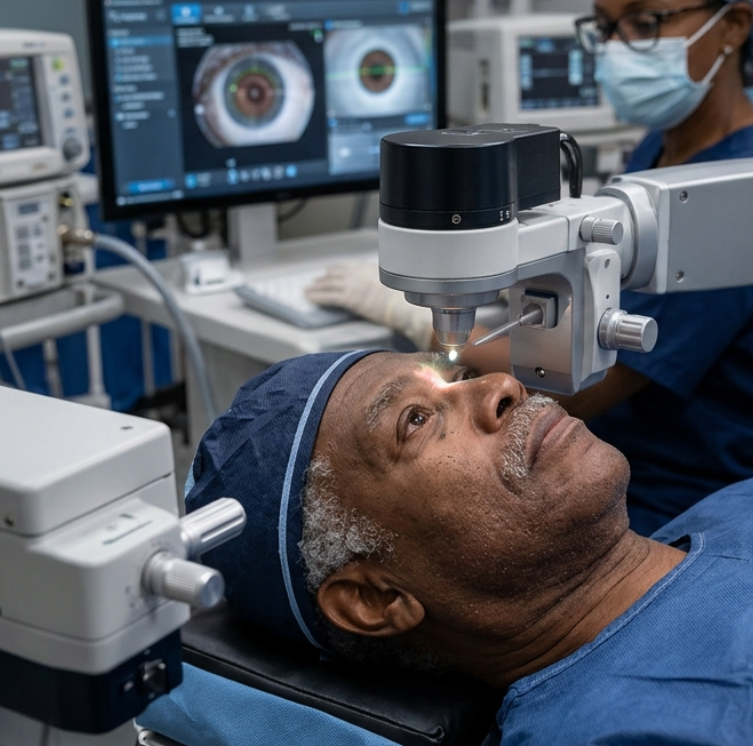
One of the greatest advancements in modern cataract care is the femtosecond laser system (such as the FDA cleared LenSx technology).
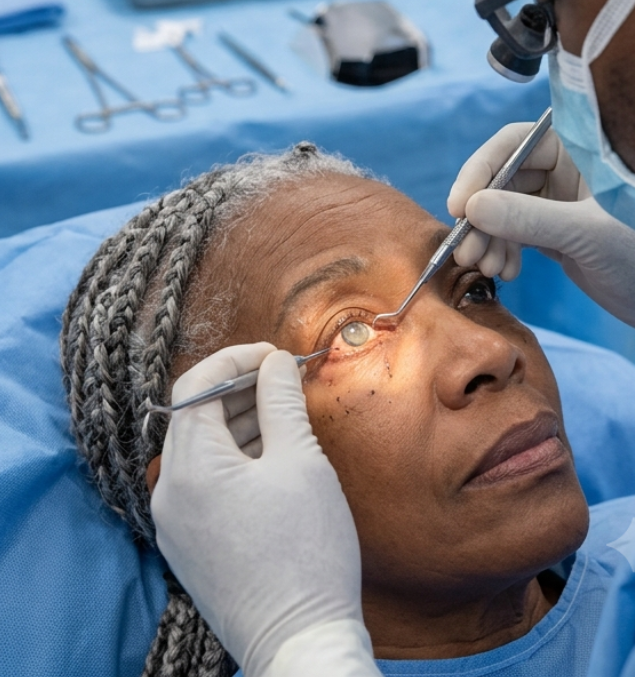
In traditional cataract procedures, the surgeon uses hand held micro blades to make small incisions in the cornea and create a circular opening in the capsule holding the clouded lens. While traditional surgery is safe, using a computer guided femtosecond laser brings a level of microscopic precision that human hands simply cannot match.
Here is why laser assisted cataract surgery makes a difference:
- Computer Guided Accuracy: Live 3D imaging allows us to map the unique architecture of your eye in real time before making a single move.
- Bladeless Incisions: The laser creates self sealing incisions without scalpels, promoting smoother healing.
- Gentler Removal: The laser uses light energy to pre soften and break up the dense, hardened cataract into tiny fragments. This means we use far less ultrasound energy inside your eye, minimizing tissue manipulation and reducing post operative swelling.
- Perfect Lens Alignment: A perfectly circular, computer centered opening allows advanced replacement lenses to sit in the precise position needed for peak visual performance.
Premium Intraocular Lenses (IOLs): Customizing Your Vision
When we remove your cloudy natural lens, we replace it with a permanent artificial lens called an Intraocular Lens. Standard monofocal lenses covered by basic insurance typically correct vision for a single distance, usually far away, leaving you reliant on reading glasses for near and intermediate tasks.
We offer advanced lenses from multiple manufacturers, including Alcon, Johnson & Johnson, Bausch + Lomb, and other leading manufacturers. With premium IOLs, we can address multiple vision goals at once:
- Multifocal, Extended Depth of Focus, & Toric Lenses
- Multifocal & Presbyopia Correcting Lenses: Just like bifocal or progressive glasses, multifocal IOLs split light into distinct focal points. This allows your eye to see clearly at near, intermediate, and far distances. Options include lenses like the Alcon PanOptix and PanOptix Pro. Many patients who choose multifocal implants significantly reduce their dependence on reading glasses after surgery. However, multifocal lenses can cause halos and glare around lights at night and can reduce contrast sensitivity, so they are not right for every eye. Patients need to know this before they pay for one.
- Extended Depth of Focus Lenses: Advanced designs such as the TECNIS PureSee, TECNIS Odyssey, enVista, and enVista Envy provide a continuous range of high-quality vision from distance through intermediate tasks.
- Toric Lenses for Astigmatism Correction: If you have astigmatism, meaning your cornea is shaped more like a football than a round basketball, a standard spherical lens cannot fully sharpen your vision. Toric IOLs are customized to neutralize corneal astigmatism directly inside the eye, smoothing out distorted or double-edged vision.
Combining femtosecond laser incisions with a specialized toric, multifocal, or extended depth of focus IOL offers the highest level of visual customization available today.
Cataract Surgery for Patients with Glaucoma
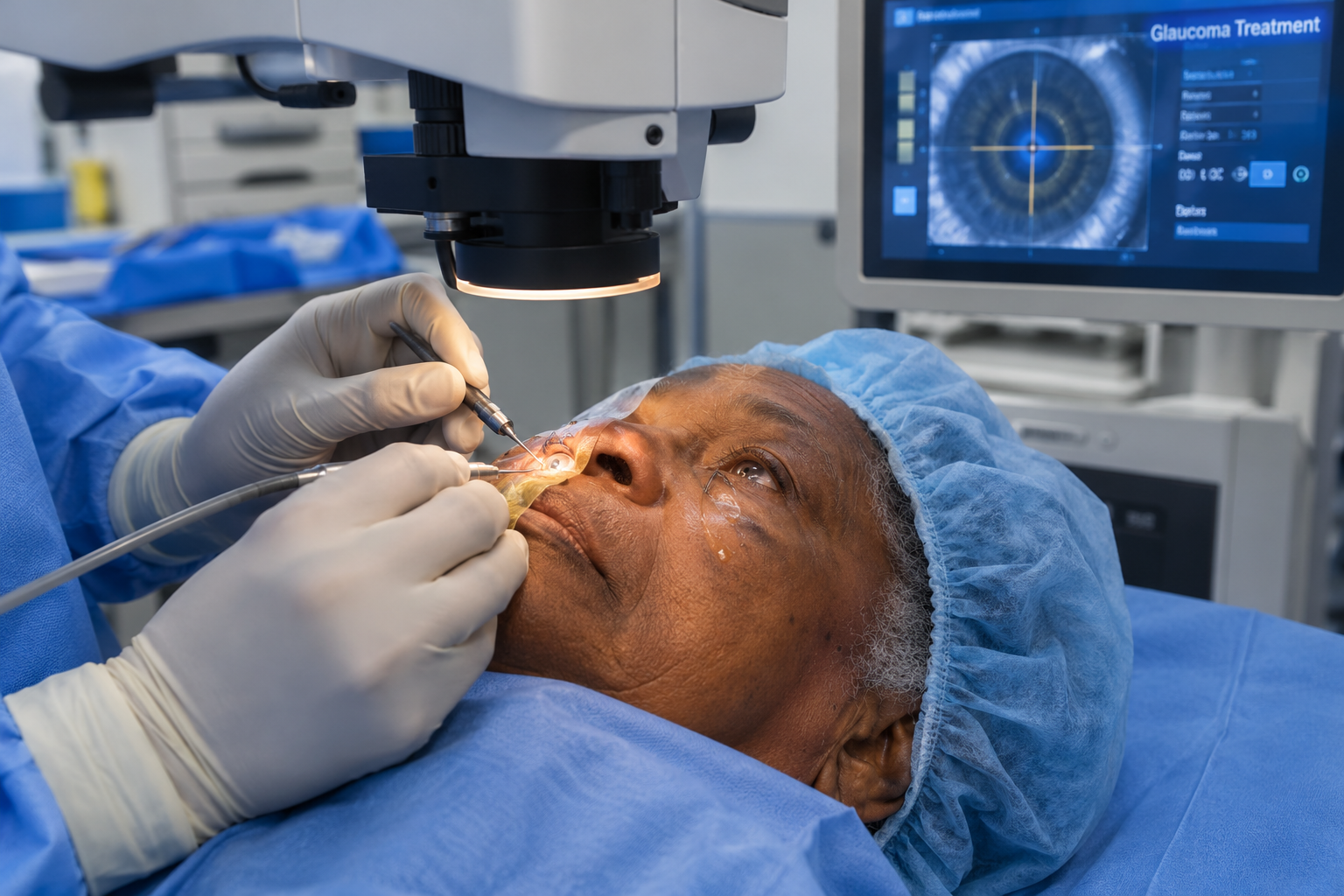
When a patient has both cataracts and glaucoma, managing the surgical plan requires a specialized perspective. As a fellowship trained glaucoma specialist, I evaluate lens selection differently than a general surgeon, carefully considering how intraocular lens choices and combined procedures will impact long term pressure control and future drop requirements. Furthermore, minimally invasive glaucoma surgery devices like the iStent, Hydrus, Omni goniotomy & viscocanuloplasty, and IDose medication implantation can be safely and effectively performed at the same time as your cataract surgery to help manage intraocular pressure.
What to Expect Before, During, and After Surgery
It is completely normal to feel a little nervous about surgery on your eyes, but the actual experience is remarkably swift and comfortable.
- Before Surgery: We perform detailed 3D mapping and ultrasonic measurements of your eye to calculate the exact power and curvature required for your custom lens. You’ll also be prescribed preventative antibiotic and anti inflammatory eye drops.
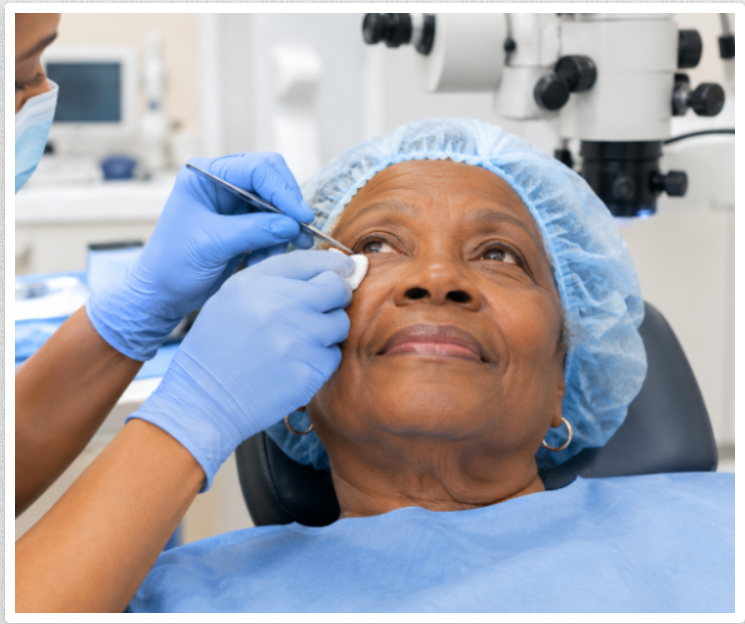
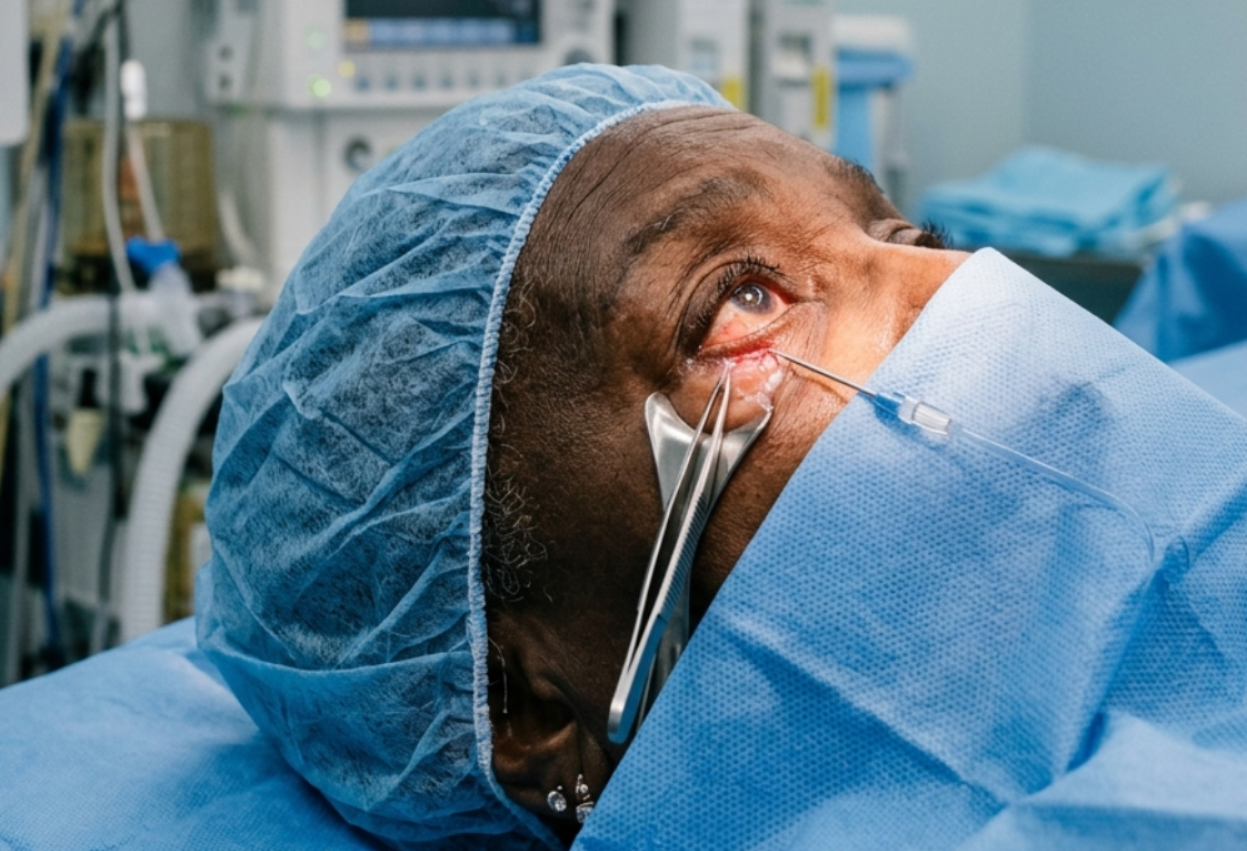
- During the Procedure: Most patients describe pressure and lights rather than pain. The procedure takes about 15 to 20 minutes in an outpatient setting. We apply local numbing drops so you stay completely comfortable, alongside mild relaxation medication if needed.
- Recovery: Most patients notice a significant improvement in brightness and clarity within 24 to 48 hours. Because laser incisions seal naturally, healing is rapid, and you can quickly return to most of your normal daily routine.
Frequently Asked Questions About Premium Cataract Surgery
What is the cost of premium lenses and how does insurance coverage work?
While standard monofocal lenses are typically covered by medical insurance, premium options like multifocal, extended depth of focus, and toric lenses involve an out of pocket upgrade fee because they provide advanced visual correction that standard lenses do not.
Which lens option is right for me?
Your ideal lens depends entirely on your unique visual goals, daily activities, lifestyle habits, and anatomical measurements. We review your options thoroughly during your consultation.
What is the difference between multifocal and extended depth of focus lenses?
Multifocal lenses split light into distinct focal points for near and distance vision, whereas extended depth of focus lenses stretch the focal range to provide seamless transition across intermediate and distance ranges.
Can I get premium lenses if I have glaucoma?
Sometimes, but it requires careful evaluation. Multifocal lenses reduce contrast sensitivity, and eyes with optic nerve damage often do not have the visual reserve to tolerate that. As a fellowship trained glaucoma specialist, I evaluate this differently than a general cataract surgeon, and in many glaucoma patients I recommend a monofocal or toric lens instead. That assessment happens before any premium lens is discussed.
What is the typical recovery time after surgery?
Most patients experience rapid visual recovery within the first 24 to 48 hours, returning to normal light activities quickly while following temporary drop regimens.
Is Premium Cataract Surgery Right for You?
Not every eye is the same. Factors like underlying glaucoma, corneal health, lifestyle habits, and how much night driving you do all play a role in determining which lens technology will serve you best.
At Hudson Ophthalmology serving Cortlandt Manor, Peekskill, Yorktown, Ossining, Croton, and Mahopac, we take the time to evaluate your complete ocular health, listen to your visual goals, and help you select the exact treatment path that fits your life.
To learn more about your options, please explore our premium cataract surgery page and our general cataracts page.
If you or a loved one is ready to explore clearer vision, please reach out to our team at Hudson Ophthalmology in Cortlandt Manor at 914-737-6360 or visit hudsoneyes.com.