Call Today: 914-737-6360
 Email: hudsoneyes@gmail.com

Femtosecond Laser Cataract Surgery in Westchester: Why Precision and Patient Selection Matter
A cataract forms when the natural lens inside your eye slowly turns cloudy. Vision becomes blurry, colors look faded, and glare gets worse, especially from headlights at night. For many years, surgery meant removing the clouded lens and replacing it with a standard monofocal implant. That restores clarity, but it focuses at only one distance, so many patients still need reading glasses or bifocals afterward.
Modern cataract surgery can go further. By pairing femtosecond laser technology with a premium intraocular lens (IOL), such as a multifocal, extended depth of focus (EDOF), or toric lens for astigmatism, we can often reduce your dependence on glasses and match your vision to the way you live.
Why Precision Matters
A premium lens performs best when it sits well-centered and stable inside the eye. With these lenses, even a small shift in centration or tilt can affect your visual result.
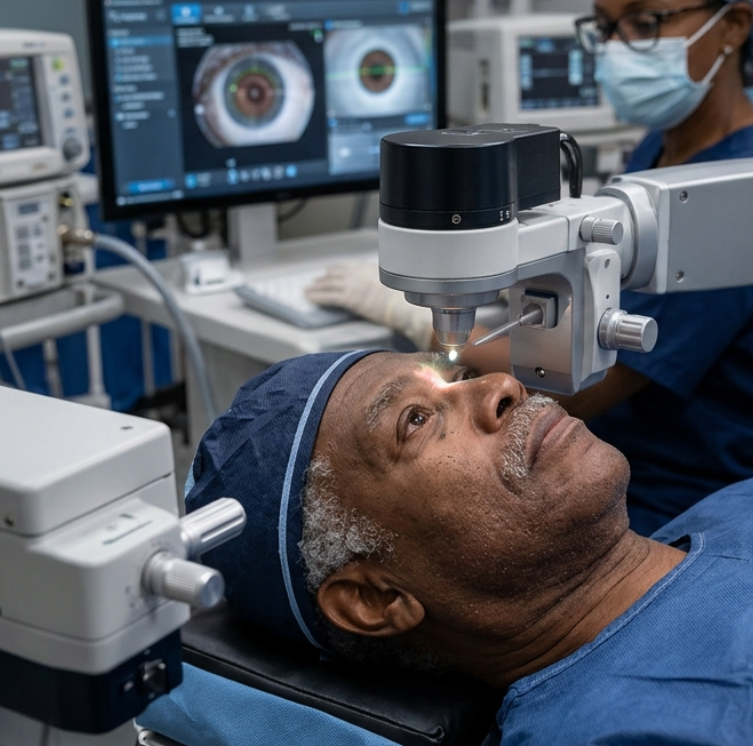
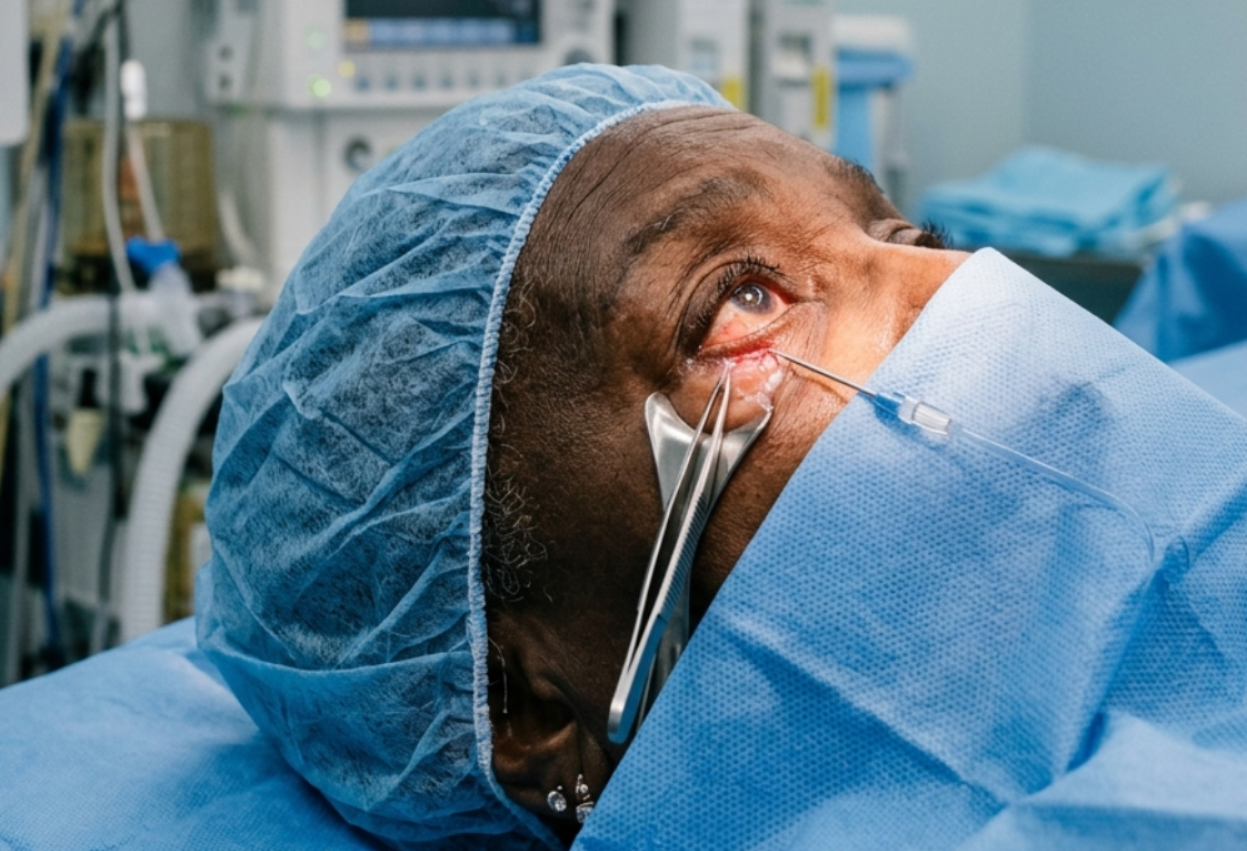
When it is appropriate for the patient, femtosecond laser is my preferred method of cataract surgery. It is precise and reproducible, and it adds computer-guided accuracy to key steps. It is not covered by insurance, so it carries an additional out-of-pocket cost, and it is usually paired with a refractive goal such as astigmatism correction or a premium lens.
The laser supports premium lens surgery in three ways:
- Precise capsulotomy: The laser creates a well-centered, circular opening in the lens capsule, which helps a premium lens rest in the position it needs.
- Gentler fragmentation: The laser softens and divides the cataract into smaller pieces. This can reduce the ultrasound energy used inside the eye, which may lessen corneal swelling and support a smoother recovery.
- Computer-guided incisions: Self-sealing incisions and astigmatic relaxing incisions are planned from 3D imaging of your cornea before surgery begins.
Choosing the Right Lens
Your lens should be chosen around your lifestyle, your visual goals, and, most importantly, the health of your eyes.
- Multifocal lenses split light into several focal points to provide a range of distances, including reading. Some patients notice halos or glare around lights at night, and contrast sensitivity can be reduced.
- EDOF lenses give a continuous range of vision from distance through intermediate tasks, such as computer screens.
- Toric lenses correct corneal astigmatism directly inside the eye. They are aligned carefully during surgery, and an accurately sized capsulotomy can help keep them stable.
Why I Evaluate Your Whole Eye First
As a Fellow of the American Academy of Ophthalmology, a member since 2000, and a Clinical Assistant Professor of Ophthalmology at New York Eye and Ear Infirmary, where I have taught cataract surgery to residents since 2000.
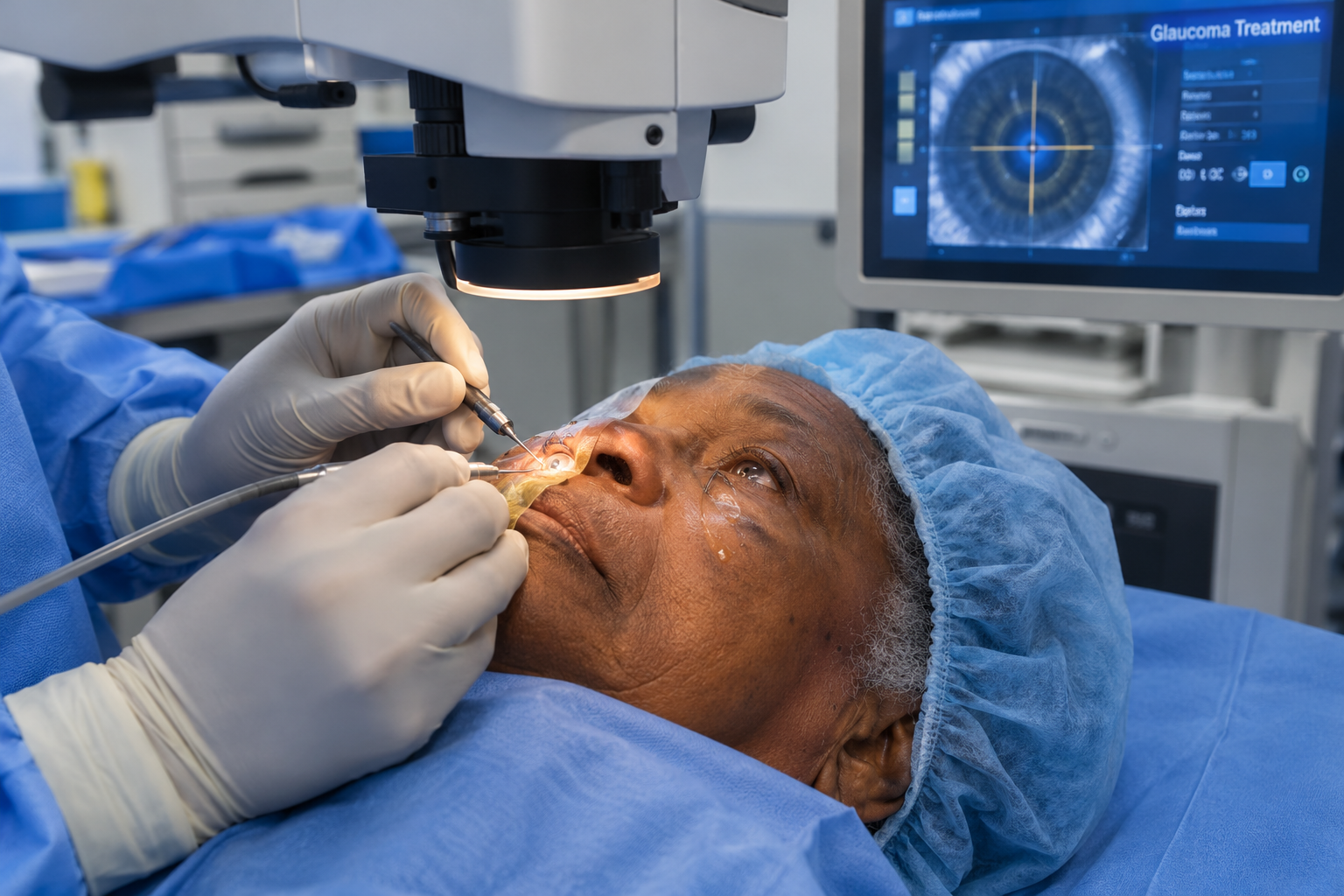
I do not recommend multifocal lenses for glaucoma patients who have visual loss. Because they split light, they reduce contrast sensitivity, and in an eye with optic nerve damage that loss can make overall vision worse. An extended depth of focus (EDOF) lens can be a good option for many glaucoma patients. For others, a high-quality monofocal or toric lens is usually the safest and most dependable choice.
Results vary, and some patients still need glasses for certain activities. Deciding whether laser-assisted surgery and a premium lens are right for you takes a full eye exam and an honest conversation about your goals.
Schedule Your Cataract Consultation in Westchester
If blurry vision, trouble reading, or night glare is getting in the way of daily life, our team will walk you through your options. To schedule an evaluation at Hudson Ophthalmology in Cortlandt Manor, call 914-737-6360 or visit hudsoneyes.com.