Call Today: 914-737-6360
  Email: hudsoneyes@gmail.com
Protecting Your Vision with Diabetes: What Every Patient Needs to Know
Hello, I’m Dr. Kerline Marcelin. In my practice here in Westchester County, I regularly meet patients who are managing diabetes. Managing blood sugar levels, monitoring diets, and scheduling routine doctor visits can often feel overwhelming. However, one essential aspect of diabetes care that frequently gets overlooked until symptoms arise is your eye health. Today, I want to discuss why diabetic eye care is so critical, how diabetes affects your sight, and what proactive steps you can take to safeguard your vision for a lifetime.
Diabetes is currently one of the leading causes of vision loss and blindness among adults in the United States. Over 40 percent of individuals diagnosed with diabetes will develop some form of diabetic eye disease in their lifetime. What makes these conditions particularly concerning is that they often develop silently. In the early stages of diabetic eye disease, there is usually no pain and no noticeable change in your vision. By the time you start experiencing blurred sight or dark spots in your field of view, significant damage may already have occurred inside the eye.
To understand how diabetes impacts your eyes, it helps to look at the tiny, delicate blood vessels located in the retina, the light-sensitive layer of tissue at the back of the eye. High blood sugar levels over time weaken these microvascular structures. As a result, tiny blood vessels can develop microaneurysms, swell, and begin leaking blood or fluid into the retina. Furthermore, high blood sugar reduces the amount of oxygen reaching retinal tissue. In response to this oxygen deprivation, the eye may attempt to grow new, abnormal blood vessels. Unfortunately, these fragile new vessels are prone to leaking and bleeding into the interior of the eye, which can lead to severe retinal swelling, scarring, and permanent vision impairment.
Beyond retinal damage, commonly known as diabetic retinopathy having diabetes also increases your risk of developing other sight-threatening conditions at an earlier age, including cataracts and elevated intraocular pressure.
The good news is that vision loss from diabetes is largely preventable with early detection and proper management. Here is what I emphasize to all of my patients who live with diabetes:
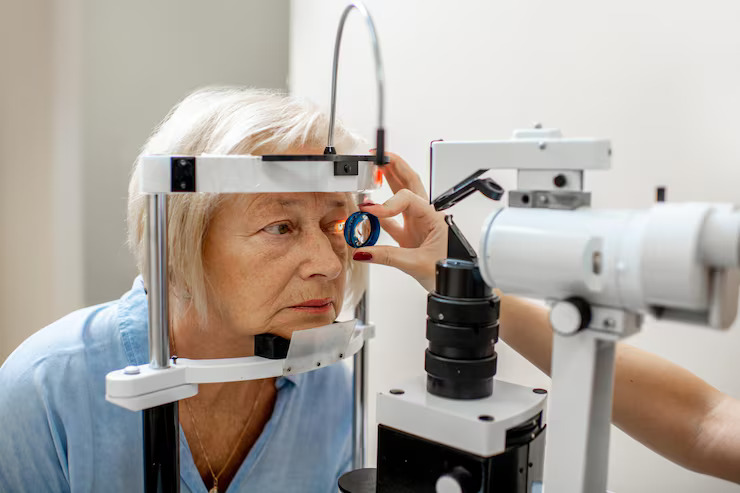
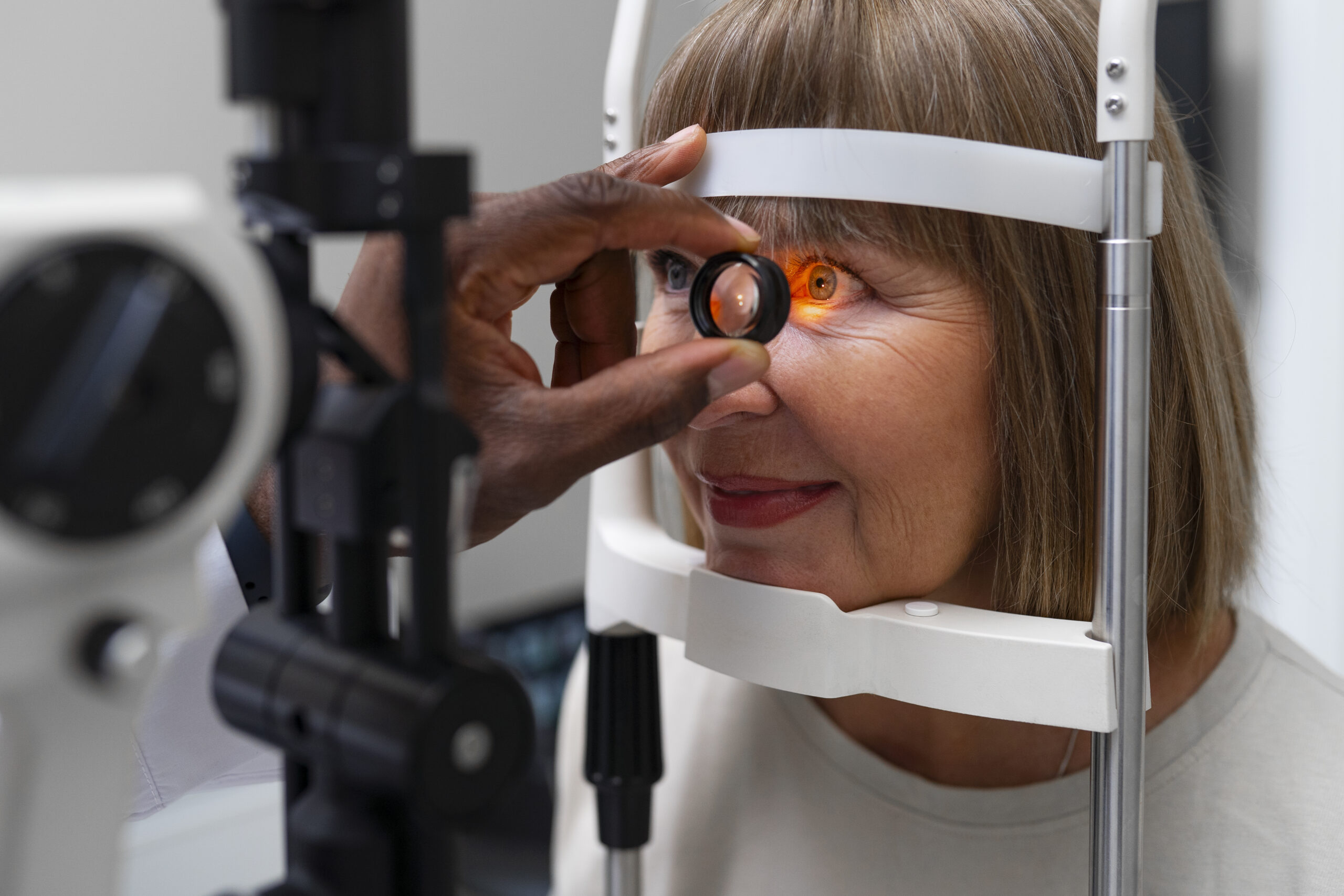
- Schedule an Annual Dilated Eye Exam: If you have diabetes, receiving a comprehensive dilated eye evaluation at least once a year is non-negotiable. During a dilated exam, I use specialized high-magnification lenses to inspect the back of your eye, examining the optic nerve, retinal blood vessels, and macula for subtle early signs of leakage or oxygen deprivation long before you notice visual changes.
- Maintain Tight Control of Blood Sugar, Blood Pressure, and Cholesterol: Keeping your blood glucose within your target range significantly reduces the stress on your eye’s delicate blood vessels. Pairing a healthy diet and regular physical activity with your prescribed medical routine is one of the most effective strategies to protect your microvascular health.
- Pay Attention to Subtle Visual Changes: While you should never wait for symptoms to appear before getting checked, do not ignore warning signs like sudden floaters, fluctuating vision, blurred reading sight, or dark patches in your visual field. Prompt evaluation allows us to intervene quickly with modern medical therapies, laser treatments, or specialized care when necessary.
At Hudson Ophthalmology, my goal is to provide you with the dedicated, specialized care you need under one roof. Managing diabetic eye health requires vigilant, ongoing monitoring, and having an experienced specialist evaluate your eyes ensures that any subtle changes are identified and addressed immediately before they impact your vision.
You do not have to navigate diabetic eye care alone, nor should you wait for your vision to change before taking action. If you have been diagnosed with diabetes and are due for your annual eye evaluation, please contact our office to schedule your comprehensive exam. Let’s work together to protect your sight and keep your future bright.